Ubud Story Walks

Categories
All Travel Tips

10 Traditional Foods in Bali You Must Try as a Tourist!

10 Traditional Foods in Bali You Must Try as a Tourist!

10 Traditional Foods in Bali You Must Try as a Tourist!

With recipes that go back centuries, traditional food dishes in Bali act as a tangible representation of history connecting present-day humans to the past.  Thus, Bali’s gastronomy works to bring culture, spirituality, and local ingredients together and builds unique culinary experiences for tourists.

So, if you’re planning a trip to Bali, here are 10 traditional foods that will offer you an authentic taste of Bali’s heritage along with a deeper connection to its traditions.

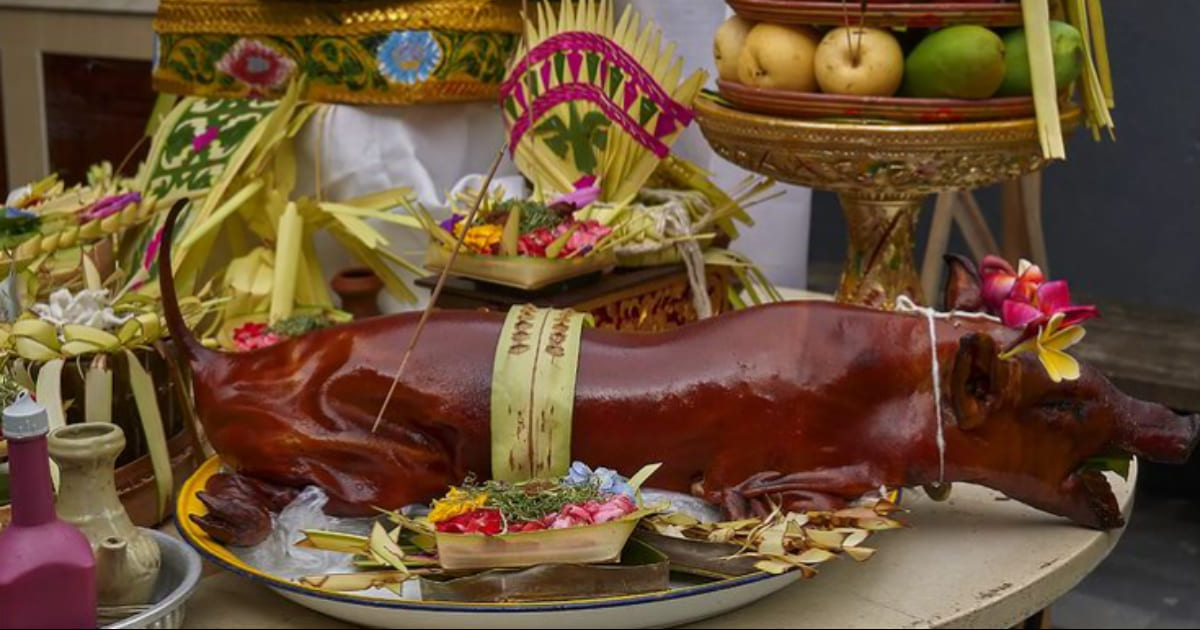
1. Babi Guling

Image source: IG @bumbubalirestaurant  

Babi Guling, the Suckling Pig, is not just Bali’s most legendary dish, but also one that represents the region’s cuisine most beautifully. Most tourists land with this traditional Balinese food already on their itinerary.

Babi Guling involves a fairly extensive preparatory process; the recipe involves coating a piglet with spices, letting it marinate, and then fully stuffing it with basa gede or the traditional Balinese spice paste. The unique combination of spices and the piglet meat come together in a delicious blend once roasted.

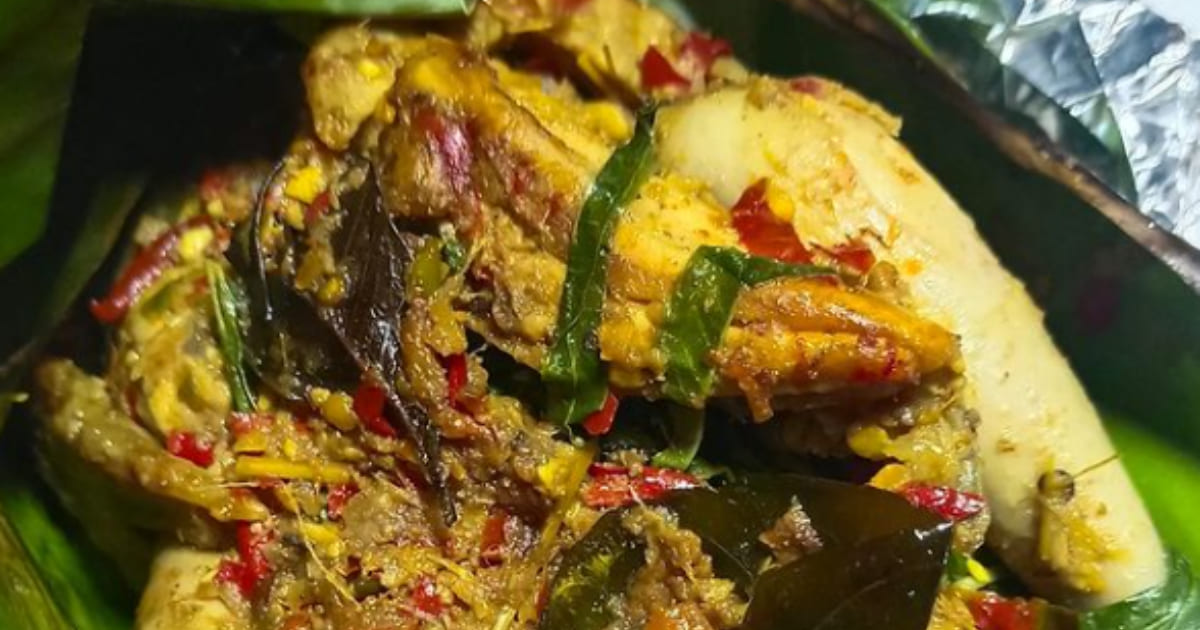
2. Betutu

Image source: IG @ramdhinisiti  

Betutu is cooked in a similar way as Babi Guling, however the ingredients are slightly different.

Betutu is made with both duck (Bebek Betutu) and Chicken (Ayam Betutu), and makes use of a tamarind-based spice paste. Betutu also uses banana leaves to wrap the meat for over 24 hours, after which it is slow-cooked in bamboo bark for a rich taste profile. The dish is traditionally served with vegetables and sambal (Balinese chill sauce).
Betutu has a long history in Bali, and is believed to have been cooked first during the Majapahit era.

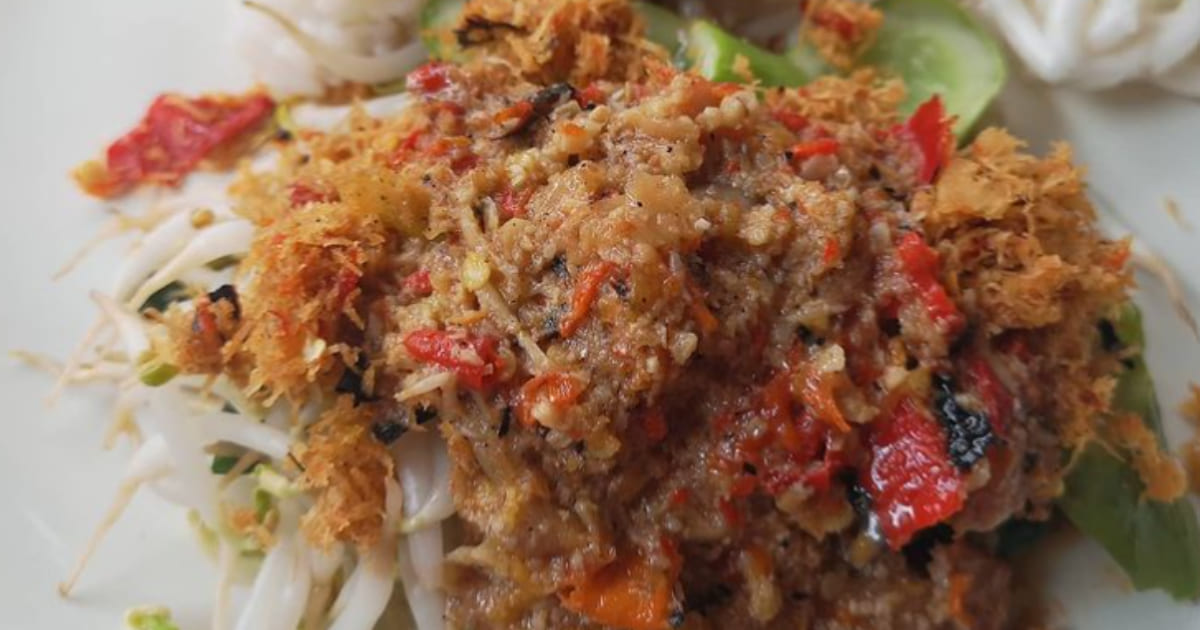
3. Lawar

Image source: IG @lins_chandr

Lawar is a unique traditional Balinese dish with minced meat (any of your choice), grated coconut, and a spice mix called “base genep.”

The flavor profile of this traditional dish can vary greatly depending on the options available:
1.  Choice of Meat: The type of meat you select plays a significant role in shaping the dish’s taste.

2. Types of Lawar: There are two main variations of Lawar:

  • Lawar Barak (Red Lawar): Includes coconut and animal blood, giving it a richer flavor.
  • Lawar Putih (White Lawar): A simpler version made with coconut, offering a milder taste.
3. Combination of Lawar: A mix of various types of Lawar is called Lawar Padamare, which combines the unique flavors of each variant.
Check Out: ​​Do’s and Don’t in Bali as a Tourist!

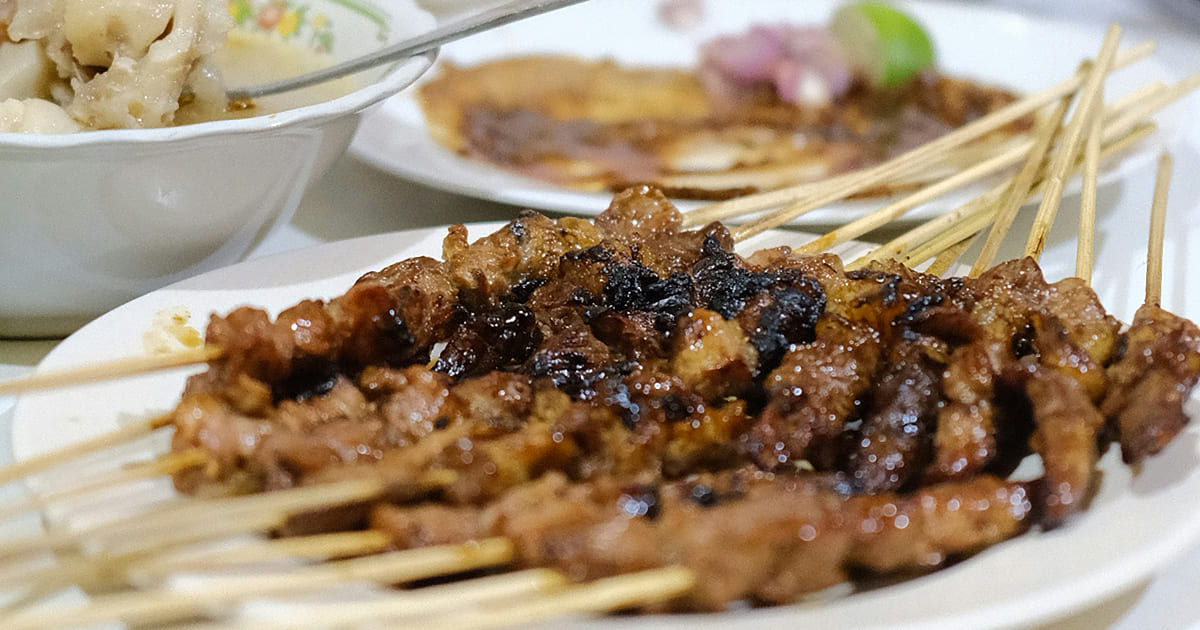
4. Sate Lilit

The word “Lilit” literally means to wrap around.

Sate Lilit can be made with any kind of meat, even turtle meat which is blended with grated coconut, coconut milk, and other ingredients and then wrapped around natural plant sticks.. The signifying factor behind Sate Lilit is its wrapping around the sticks which may be bamboo, sugarcane, or lemongrass sticks.

Sate Lilit is easily available at many Warungs (family-business eateries) in Bali.

Not sure how to fill your itinerary? Check out our suggested itineraries here.

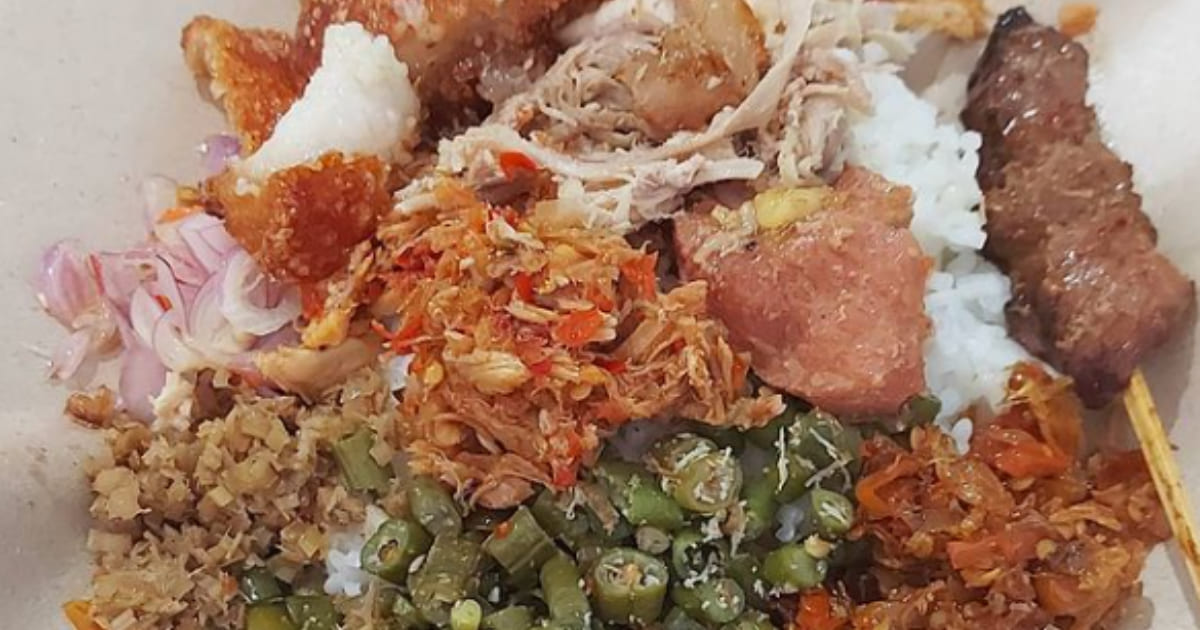
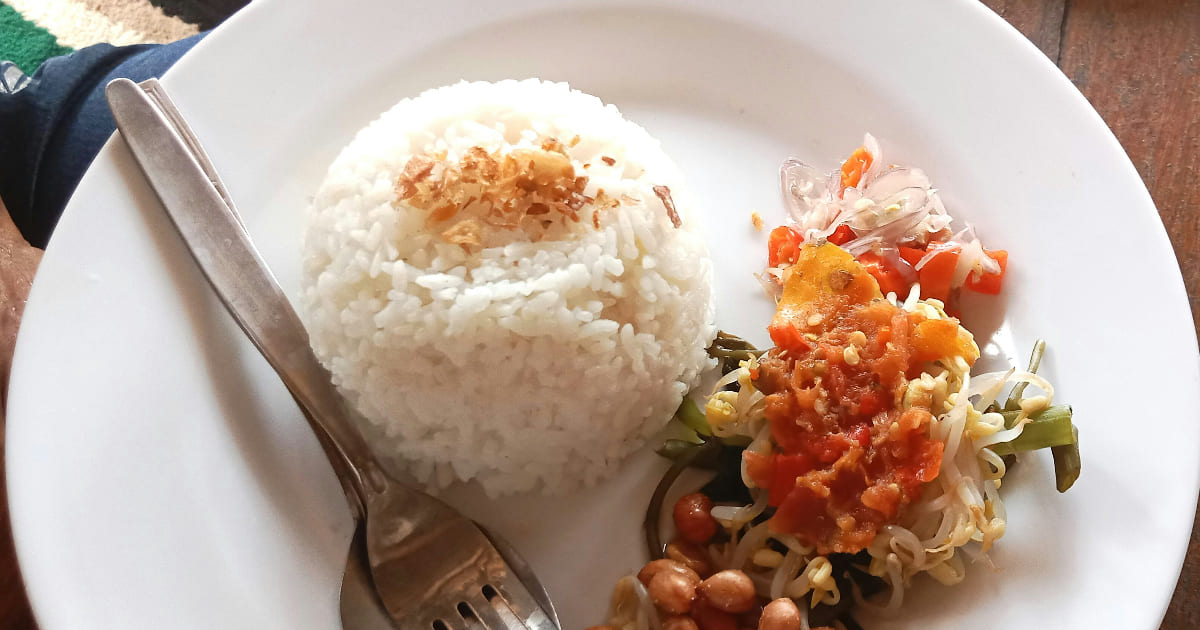
5. Nasi Campur

The word ​​ Campur literally means ‘mixed’ in Indonesian, and Nasi Campur fits perfectly.

Nasi Campur is a rice bowl with various side dishes of your choice. While some side dishes are common, you can expect to see a range of options from different Warungs/restaurants. However, if you want to try out different flavors for your Nasi Campur, going for a buffet is the best option.

Some common side dishes include,

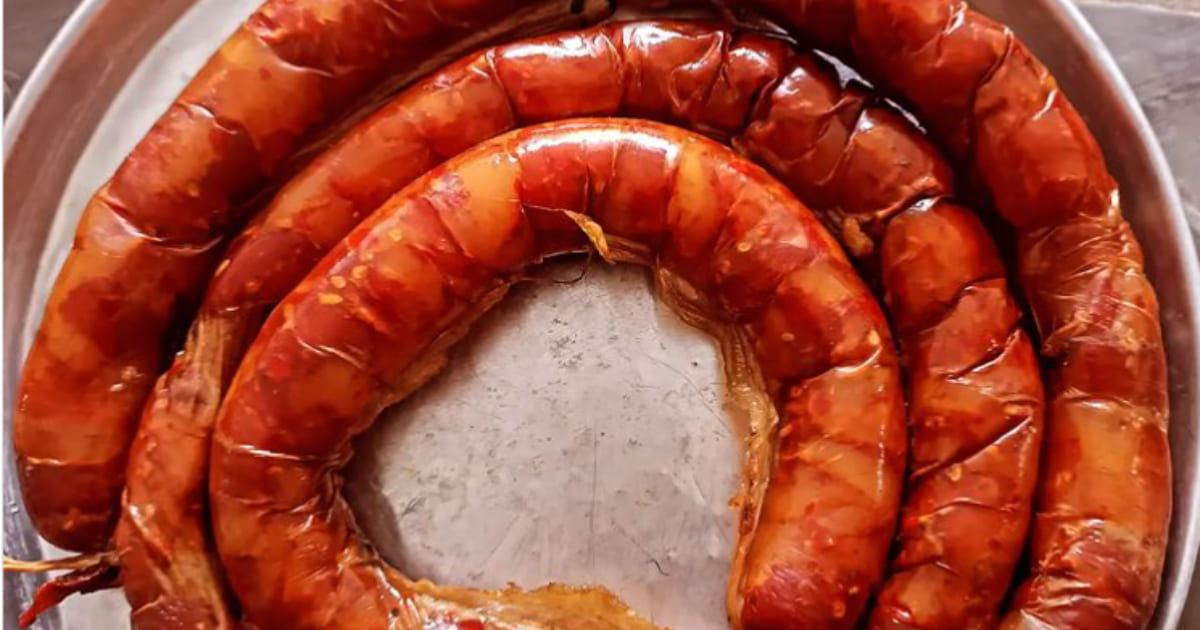
6. Urutan

Image source: IG @chef_kompiang

Even if you’ve eaten sausages a million times already, Urutan or Balinese sausage will still come as a surprise!

Urutan is a sun-dried fermented sausage made with pork, spices, and coconut milk. It is rich and aromatic and holds a special place in Balinese cuisine.

Often served at festivals, Urutan represents the island’s bold and flavorful approach to food. While traditionally, Urutan uses pork, you can easily find many halal versions too.

7. Tipat Cantok

Image source: IG @warung_men_runtu

Tipat Cantok is a common Balinese traditional food dish that is easily available at most local Warungs.

Tipat Cantok is a vegetarian-friendly dish and includes boiled rice cakes served with peanut sauce and vegetables. Additionally, restaurants may also serve tahu (firm tofu) or fried tempeh (fermented soy blocks) with it.

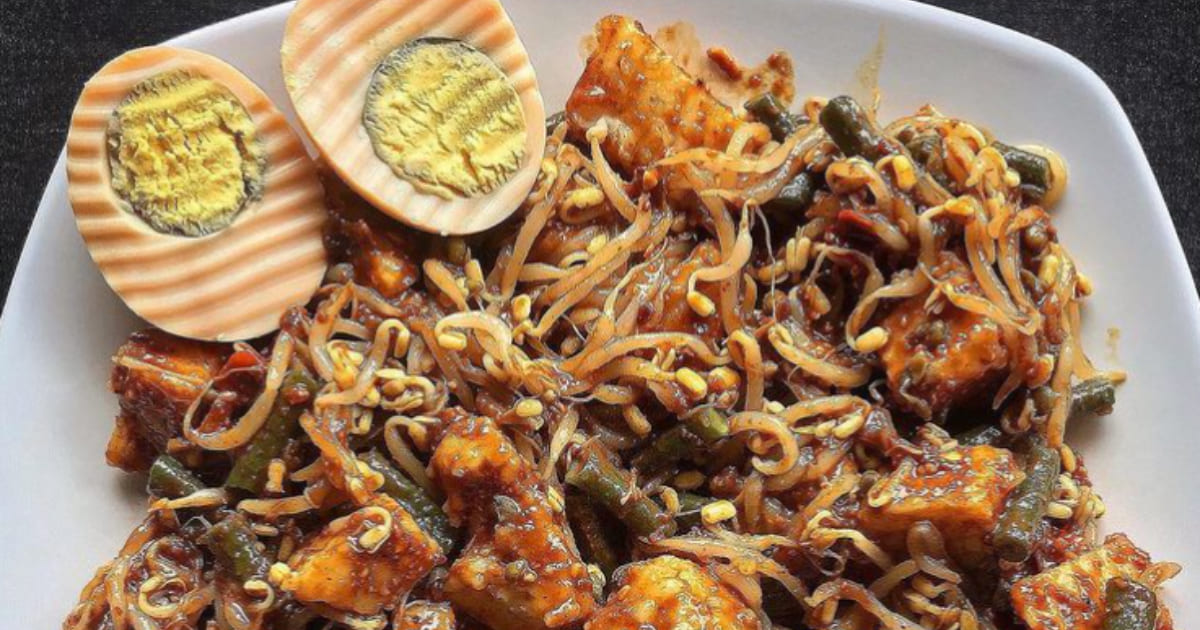
8. Serombotan

Image source: IG @rahayuni_evendi

Serombotan is a vegan-friendly side dish that uses fresh vegetables with coconut, beans, and sambal as topping.

The toppings make Serombotan perfect for those who want to enjoy the freshness of Bali’s produce without missing out on the island’s bold flavors

9. Balinese Coffee

Balinese Coffee or Kopi Bali, is famous for its bold flavor. Kopi Bali has strong historical roots, with businesses that have been involved in it for generations, over centuries.

Among all Indonesian coffees, Kopi Luwak is the most famous one, however, in Bali Arabica and Robusta are exceptional too.

10. Martabak

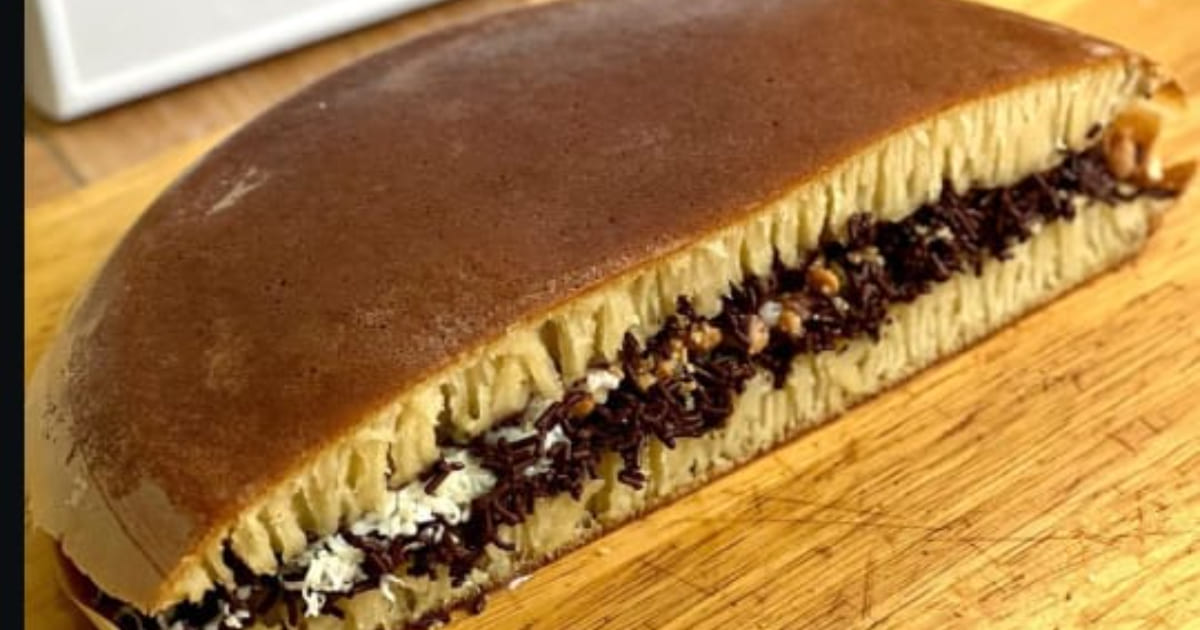
With different versions of it consumed all across Asia, Balinese Martabak is one of the most popular local traditional foods.

In Bali, Martabak is available as both sweet (martabak manis) and savory (martabak telur). Martabak can be best described as a stuffed-pancake, with chocolate or banana filling for martabak manis and egg, onion, meat, and seasonings for martabak telur.

Where to Find Authentic Balinese Food?

1.  For the most authentic taste of Balinese cuisine, visit local food markets and small warungs (family-owned eateries).

2. These spots serve traditional dishes made with love and time-honored recipes, and you will also get the best deals here.

Interested in exploring more of Bali’s traditions and history? Check out unique local-led walking tours in Ubud.
Kelly Williams
Kelly Williams

related blogs

Best Street Food in Bali and Ubud
13Jan

Best Street Food in Bali…

From savory Nasi Goreng to sweet Klepon, discover the vibrant world of Indonesian street food…

Art in Indonesia: Heritage, Creativity, and Modern Applications 
09Jan

Art in Indonesia: Heritage, Creativity,…

Indonesia Travel Bucket List is a must-have for travelers seeking adventure,

Ubud Centre – What You Need to Know Before Going
31Dec

Ubud Centre – What You…

Indonesia Travel Bucket List is a must-have for travelers seeking adventure,

Read what people say about Ubud Story Walks...

ERROR
CSS file could not saved.
Categories
All Travel Tips

10 Best Historical Tours to Check Out in Indonesia This Year [Updated]

10 Best Historical Tours to Check Out in Indonesia This Year [Updated]

Indonesian history is a mix of conflict, religion, and culture. To help you find the right tour to explore Indonesian heritage, we have compiled a list of the 10 best historical tours in Indonesia.
These tours offer unparalleled insights into the Indonesian people’s lives, practices, and architecture, among many other things.

1. Ubud: Past to Present - Walk Through the Centuries!

Location: Ubud, Bali
Duration: 3 Hours
Price:
Ubud: Past to Present is a perfect all-rounded tour that covers the entire history of the cultural and spiritual heart of Bali in just a few hours.
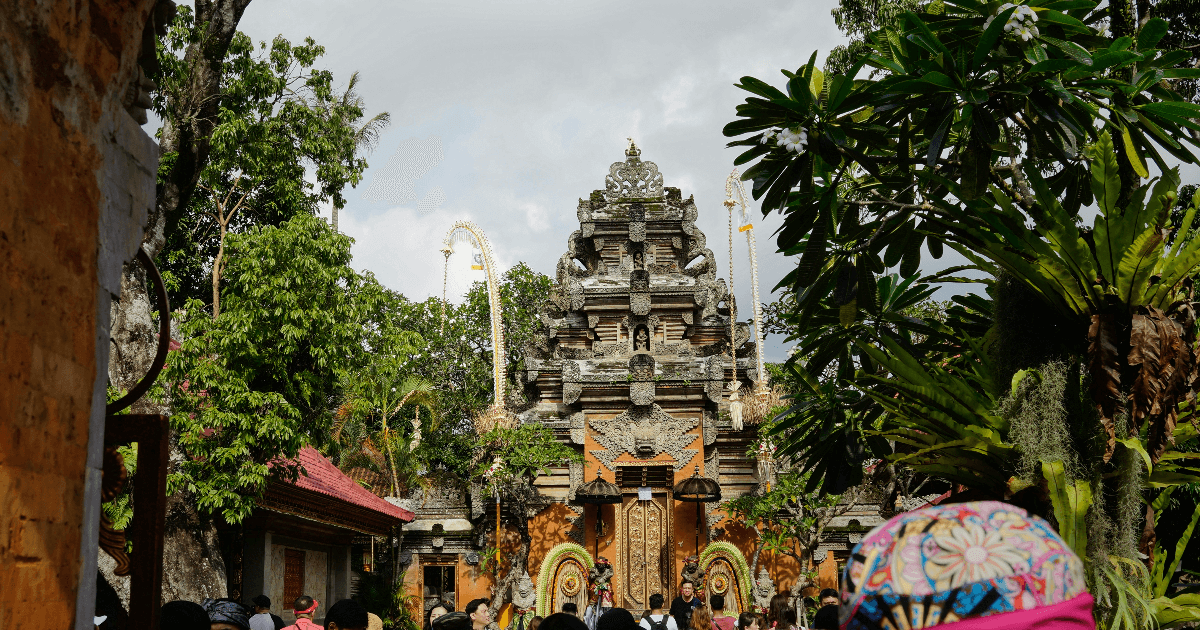
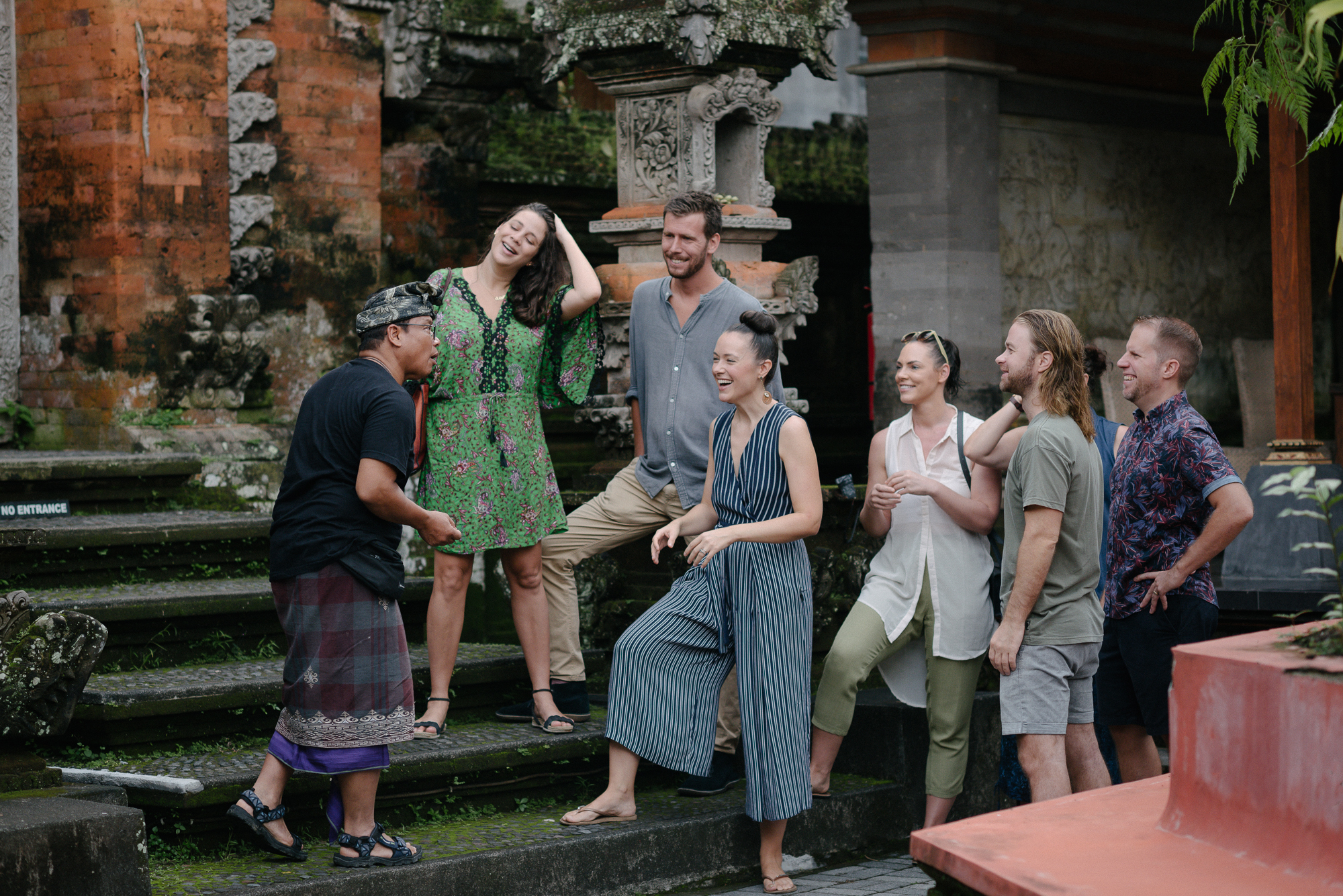
This historical tour will take you on a journey through the transition from “Old Bali” to modern-day Ubud as it covers key sites such as the monumental Hindu temple of Pura Gunung Lebah.
With lush green trees around, you will walk to Ubud’s Palace of Paintings also known as the Museum Puri Lukisan, the Royal Palace, and finally, Lempad’s House.
If you’re looking for the perfect chance at cultural exploration of beautiful Balinese sites, book this trip now!

2. Lempad’s Legacy Tour and High Tea - Explore Ubud’s Art, Architecture, and History

Location: Ubud, Bali
Duration: 3 Hours
Price: Contact for Availability
I Gusti Nyoman Lempad is one of Bali’s most prominent artists and architects famous for a rumored ability to predict his own death. This rumor along with his significant contributions to Indonesian art led to a global interest in his life and work.
“Lempad’s Legacy Tour and High Tea” is designed to help people discover this majestic artist’s work and see its glory firsthand. You will visit key places, such as the Royal Palace and Saraswati Temple. These sites present his work in Ubud with an overview of his work, life, and legacy.
If you’re interested in Indonesia’s rich artistic history, you will definitely appreciate this tour. Check it out here!

3. The Myth of Pejeng - Learn About the Legends of Pejeng

Location: Pejeng, Bali
Duration: 2 hours
Price:
“The Myth of Pejeng” tour is designed to highlight the beautiful religious history of Bali and its connection with the Buddhist-Hindu heritage.
Located in the Petanu River Valley, Bali’s Pejeng village is home to the famous Moon of Pejeng temple and the Pura Pusering Jagat temple. This historical tour will give you mesmerizing experiences of these holy places along with a chance to see the world’s largest single-cast bronze kettle drum which dates back thousands of years.
Your tour guide will take you to fascinating local sites such as burial grounds, centuries-old local stores, and beautiful artifacts.
Find out more about the “The Myth of Pejeng” tour here.

4. Bandung City Walk Tour

Location: Bandung, West Java
Duration: 3.5 hours

Price: Rp 508,035/$ 33

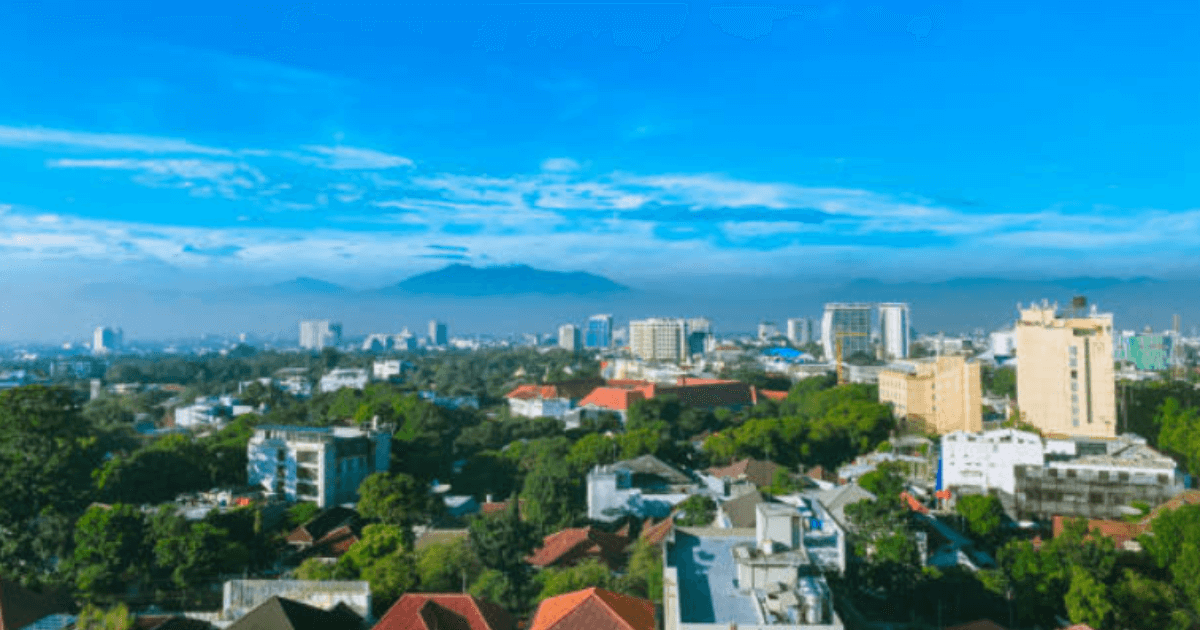
Bandung, also referred to as the “Paris of Java” is home to unique architecture which is a blend of European and Indonesian styles.
As part of this tour, you will get to visit historical Art-Deco-style buildings and other important sites. Highlights include Gedung Sate, one of Bandung’s most iconic buildings, and Asia-Afrika Street, which hosted the 1955 Asia-Africa Conference.

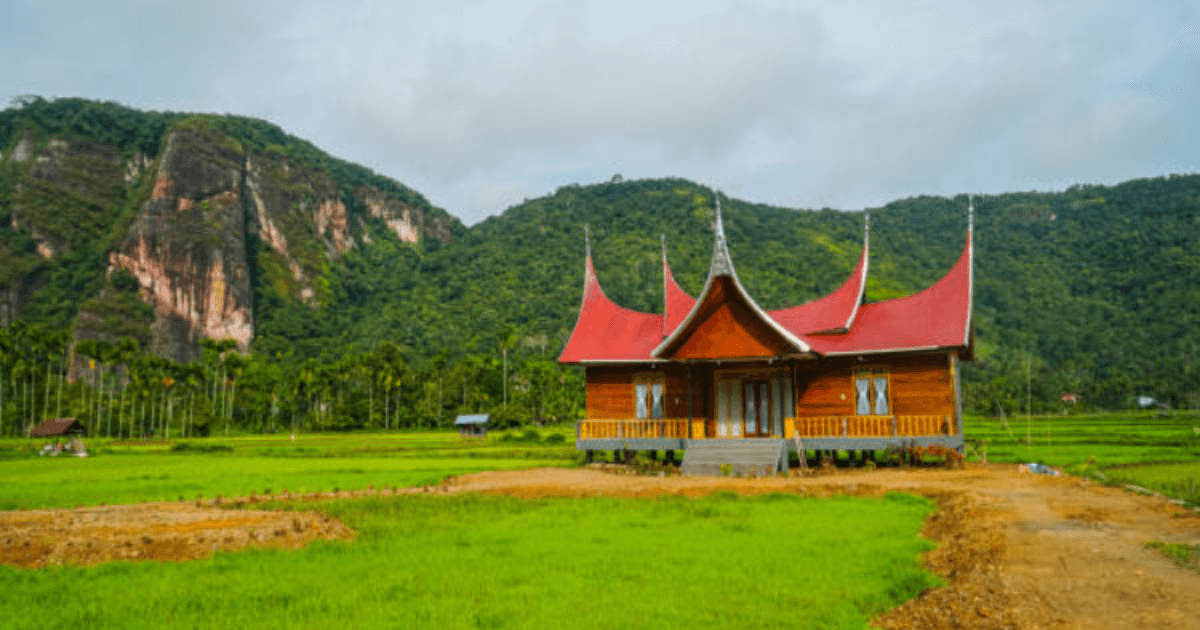
5. Koto Gadang Historical Walk Tour

Location: Koto Gadang, Sumatra
Duration: 2 hours
Price: Rp 450,000/$29.21

Koto Gandang is a small yet centuries-old village hosting over 2,500 people and is known for the high value it places on education.

This historical walk gives an overview of colonial-era architecture and includes a visit to local homes. For an additional Rp 100,000, you can also visit the Koto Gadang Wall.
While architecture, education, and the natural beauty of the region are key drivers, many people also come to interact with the local Minangkabau community.

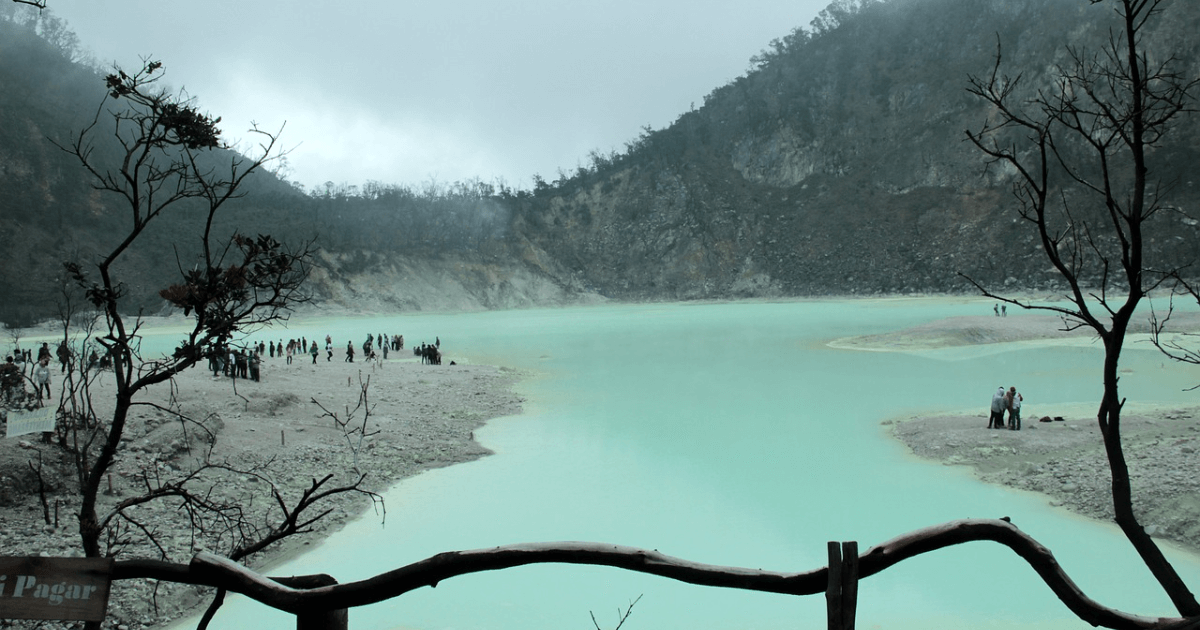
6. Kawa Putih Heritage Tour

Location: Ciwidey, Bandung
Duration: 4 hours
Price: Rp 800,000/$51.93
The “Kawa Putih Heritage” historical tour takes its name from the Kawa Putih lake, a unique volcanic crater lake that is the endpoint of the tour.
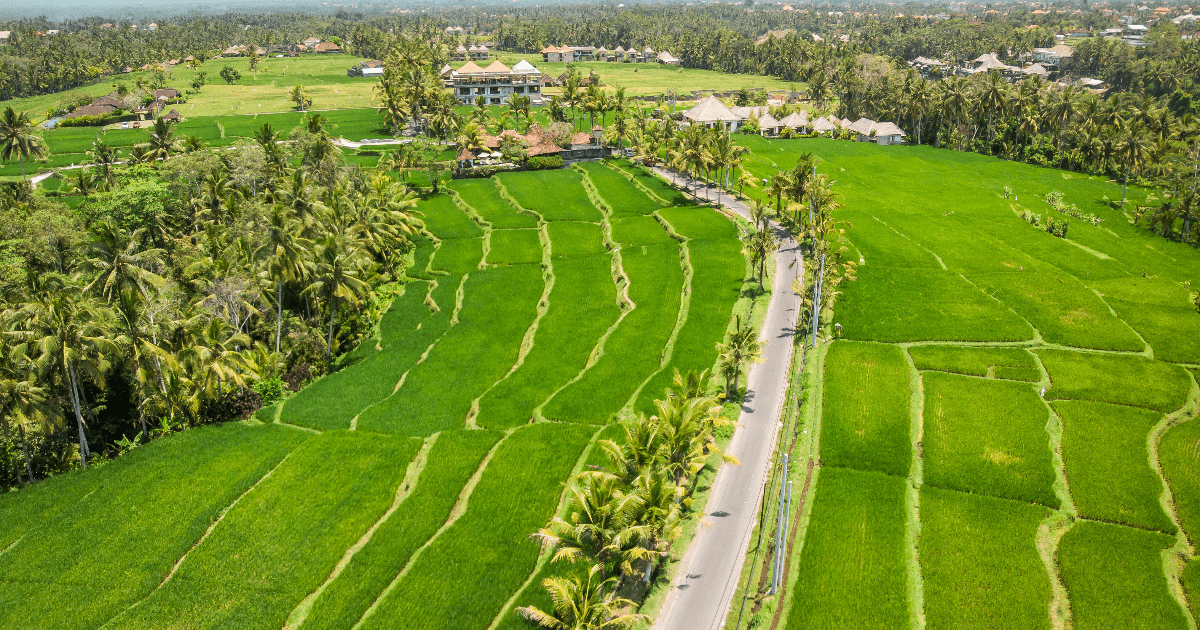
The tour starts from local rice terraces and takes the visitors through village homes, the old train bridge, and then a hike up Mount Patuha.
Overall, you will learn about the history of Kawa Putih and how it connects with the Dutch colonial rule in Java.

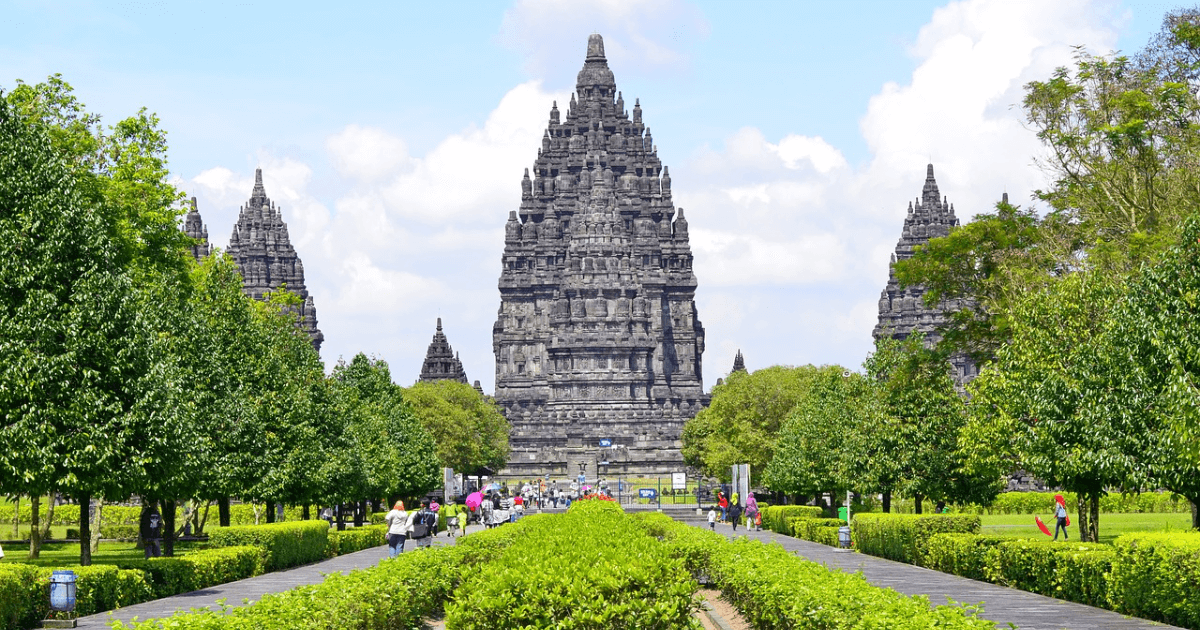
7. Hindu Kingdoms Tour - Spend a Day Exploring Ancient Hindu Temples

Location: Yogyakarta, Java
Duration: 4 hours
Price: Rp 1,862,795/$121
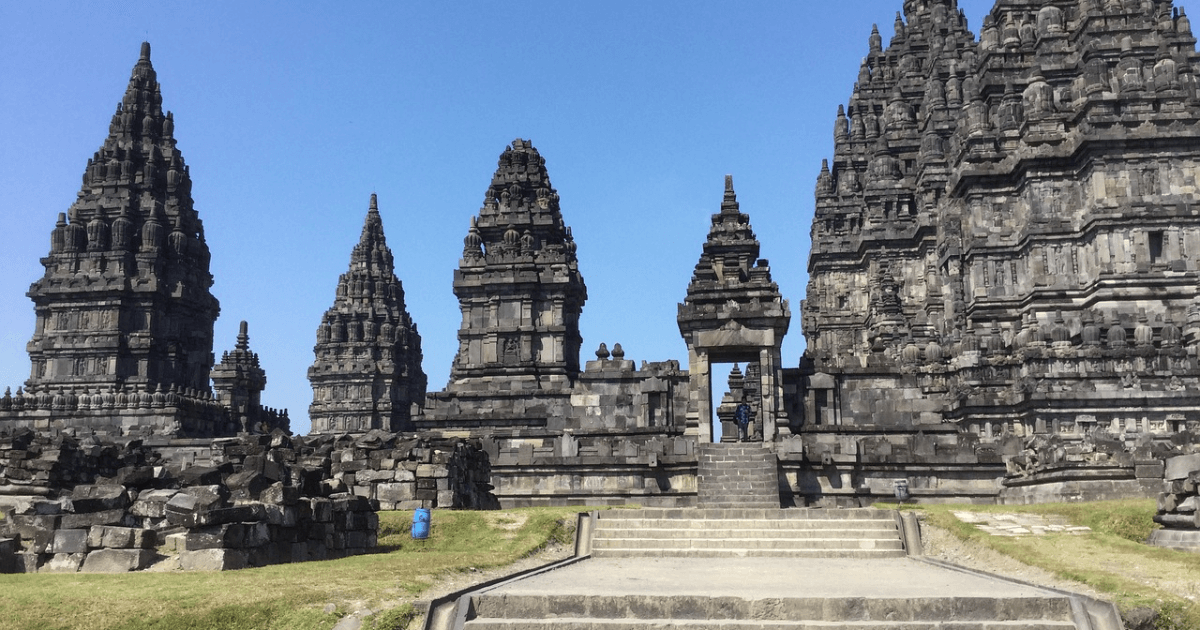
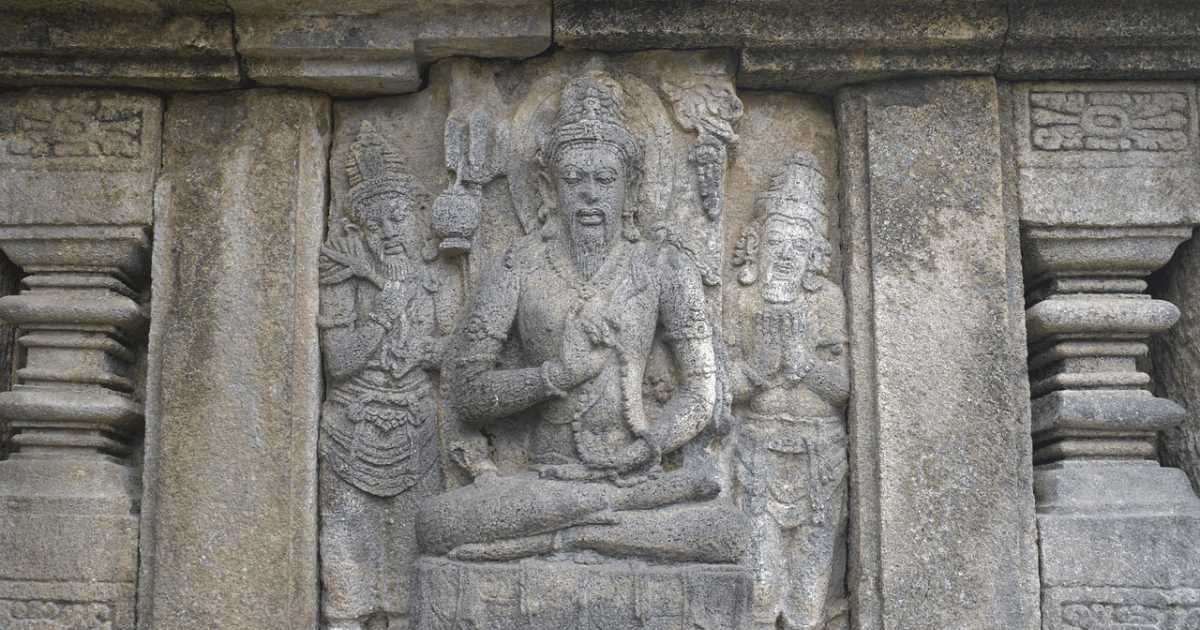
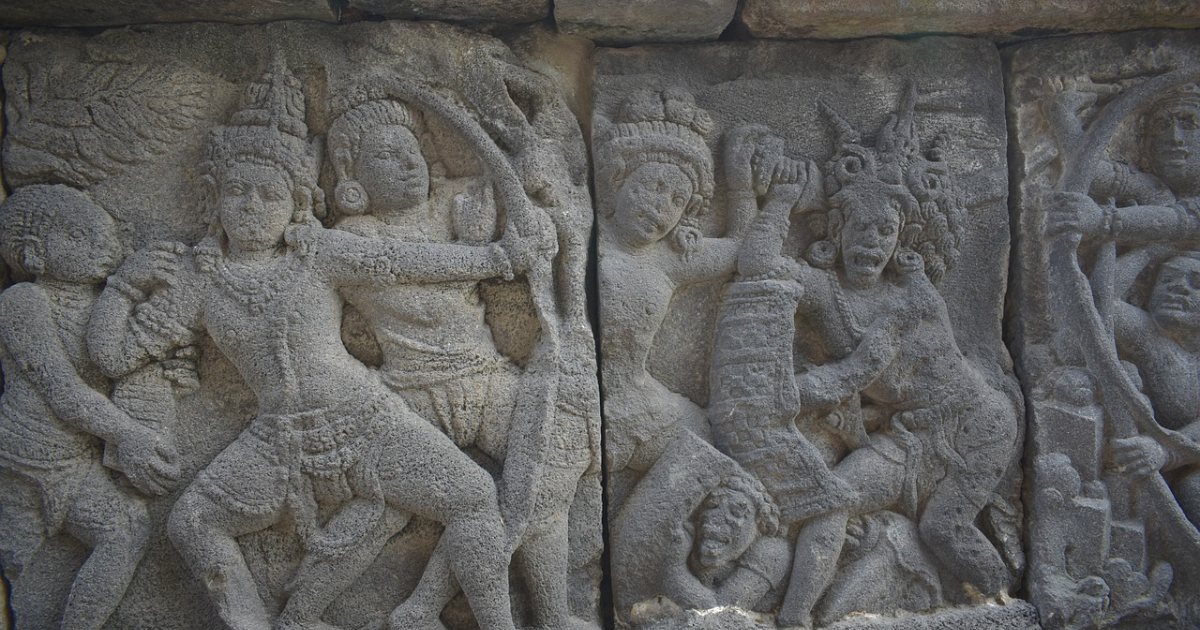
The Hindu Kingdoms Tour will take you on a journey through the history of Hinduism via temples, stone carvings, and ceremonies.
It revolves around the Prambanan Temples which are a part of the UNESCO World Heritage Sites. A breathtaking sight to see, it is Indonesia’s largest Hindu temple and is full of intricate carvings and towering spires.

8. Ruins of The Majapahit Kingdom Tour

Location: Mojokerto, Java
Duration: 2 hours
Price: Rp 300,000/$19.47
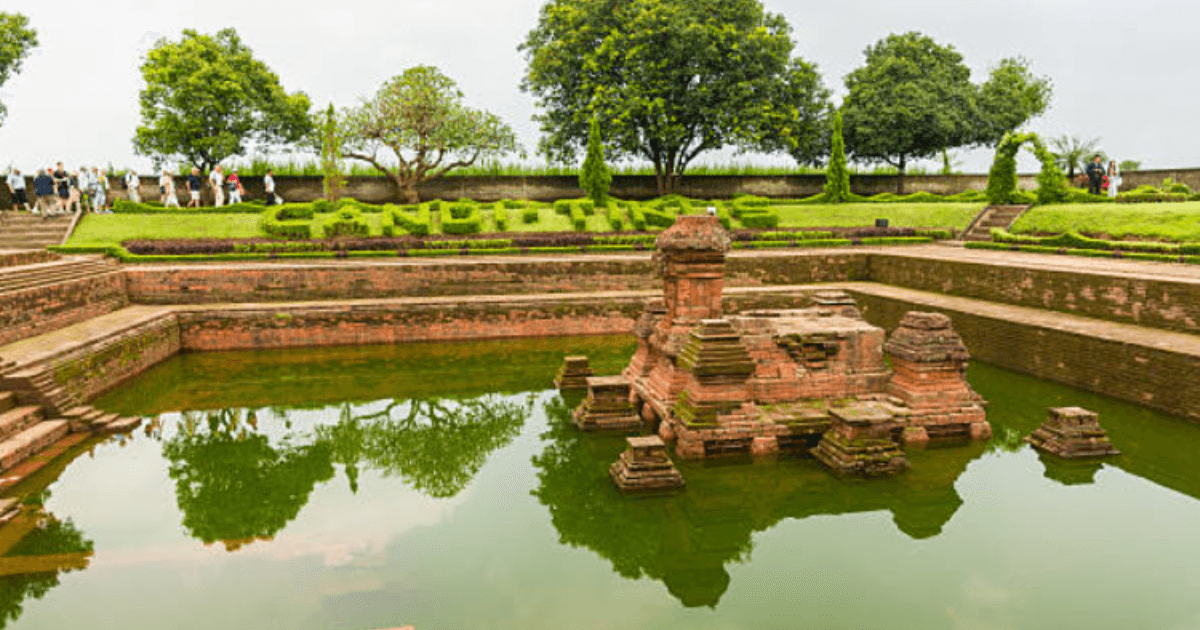
Trowulan is a key archaeological site in Mojokerto, Indonesia, and hosts the remains of the powerful Majapahit kingdom which was once the center of a vast maritime empire.
Highlights of this tour include the paduraksa-style Candi Bajang Ratu gate and the Tikus Temple, a place of ritual purification.

9. Kota Tua City Tour

Location: Jakarta
Duration: 5 hours
Price: Rp 550,000/$35.70
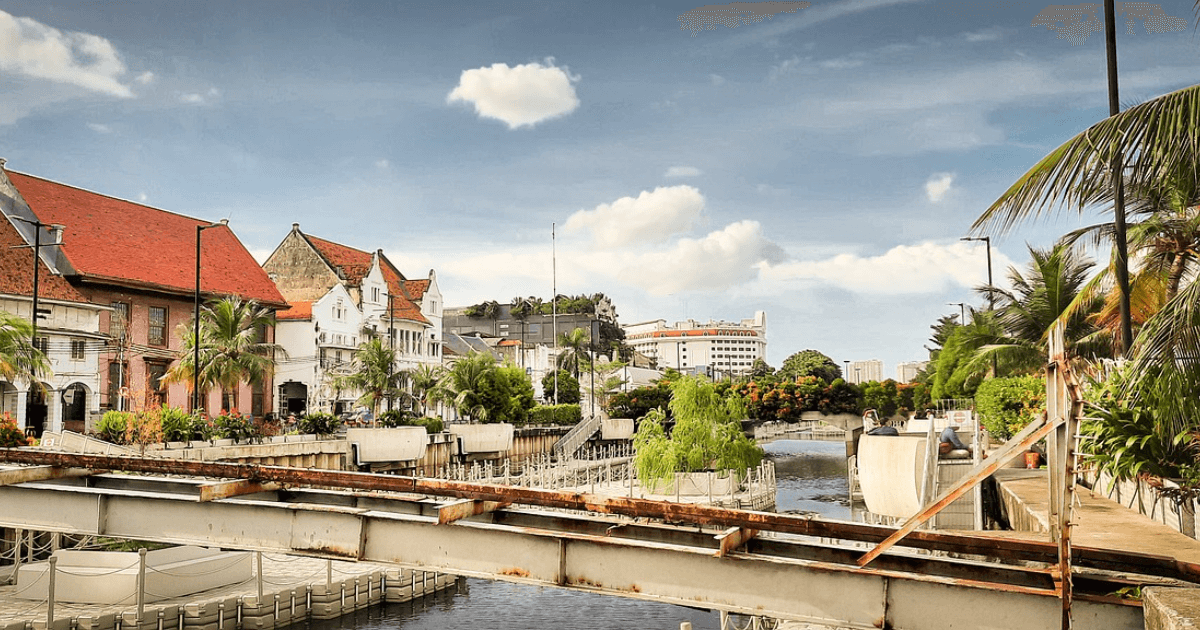
Kota Tua, literally translating to “Old Town”, is a locality in Jakarta preserving the old city remnants.
This unique historical tour goes through the streets of Kota Tua and its important landmarks such as the Jakarta Old Port, Fatahillah Museum, and the Wayang Museum.
Location: Tenganan, Bali

10. Tenganan Pegringsingan Tour

Duration: 2 hours
Price: Rp 450,000/$29.21
What better way to experience Indonesian heritage than to witness the preserved traditions of the Indigenous Balinese people?
The Pegringsingan village is home to the Bali Aga with their unique practices.
This tour will give you a glimpse into the lives of this native community through their homes, one-of-a-kind weaving practices, and the magical powers that they attribute to the objects around them.

Check Out Ubud Story Walks!

Indonesia’s rich history, art, and heritage are treasures waiting to be explored. Whether you’re passionate about history and architecture or are drawn to cultural experiences, there are multiple heritage tours that will captivate you.

Looking to go beyond the typical path for your trip to Indonesia? Check out Ubud Story Walks for immersive experiences that you will forever look back to!

Kelly Williams
Kelly Williams

related blogs

Best Street Food in Bali and Ubud
13Jan

Best Street Food in Bali…

From savory Nasi Goreng to sweet Klepon, discover the vibrant world of Indonesian street food…

Art in Indonesia: Heritage, Creativity, and Modern Applications 
09Jan

Art in Indonesia: Heritage, Creativity,…

Indonesia Travel Bucket List is a must-have for travelers seeking adventure,

Ubud Centre – What You Need to Know Before Going
31Dec

Ubud Centre – What You…

Indonesia Travel Bucket List is a must-have for travelers seeking adventure,

Read what people say about Ubud Story Walks...

ERROR
CSS file could not saved.
Categories
All Travel Tips

Do’s and Don’ts in Bali as a Tourist!

​​Do's and Don't in Bali as a Tourist!

To have the best experience possible in Bali, it’s essential to be aware of the do’s and don’t in Bali as a tourist.
Bali’s deep history and rich culture are often disrespected by tourist crowds, making an informed guide essential.
In this guide, we take a look at the common do’s and don’ts in Bali you need to be aware of to make the most of your visit to this enchanting paradise.

Do's in Bali

Here are a few things you should do in Bali as a tourist:

1. Respect Local Customs and Traditions

One of the first things to do when you land in Bali is to embrace and respect the local customs.
For instance, always be mindful of ceremonies and processions that you might encounter. If you come across a ceremony on the street, step aside and let it pass.
It’s also important to never point your feet at people or religious artifacts, as this is considered highly disrespectful.
Remember: When visiting Bali, you are a guest in a place that holds its traditions close to its heart. Respect them, and you’ll earn the respect of the locals in return.

2. Wear proper clothing at temples

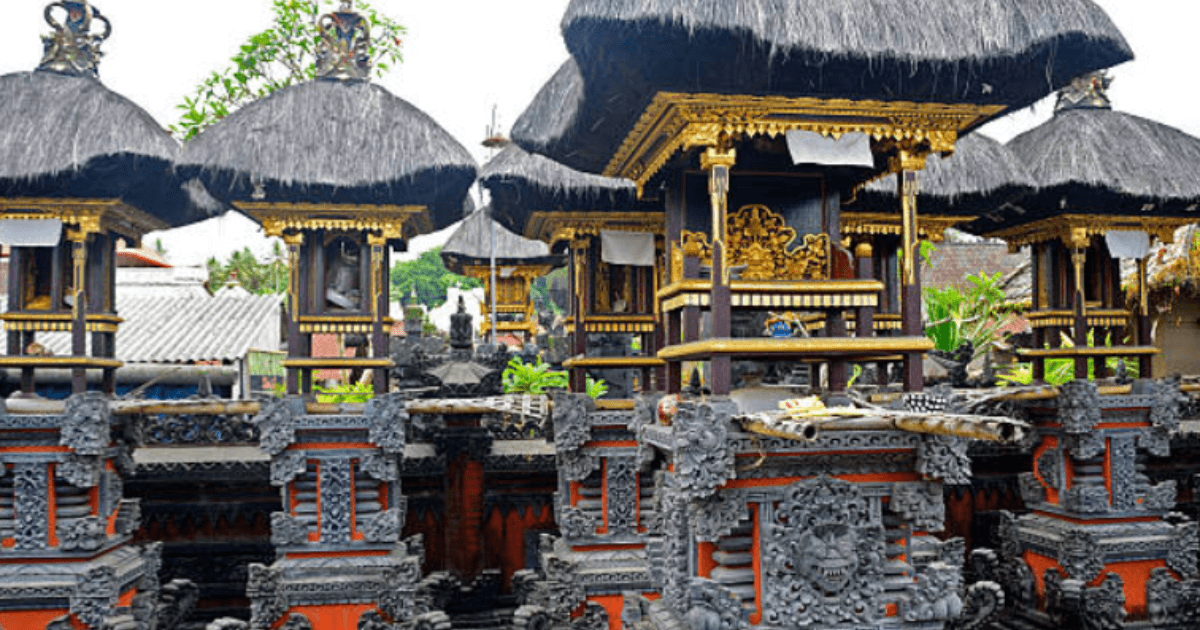
Bali’s temples are not just tourist attractions, they are also sacred sites where locals worship and conduct important ceremonies.
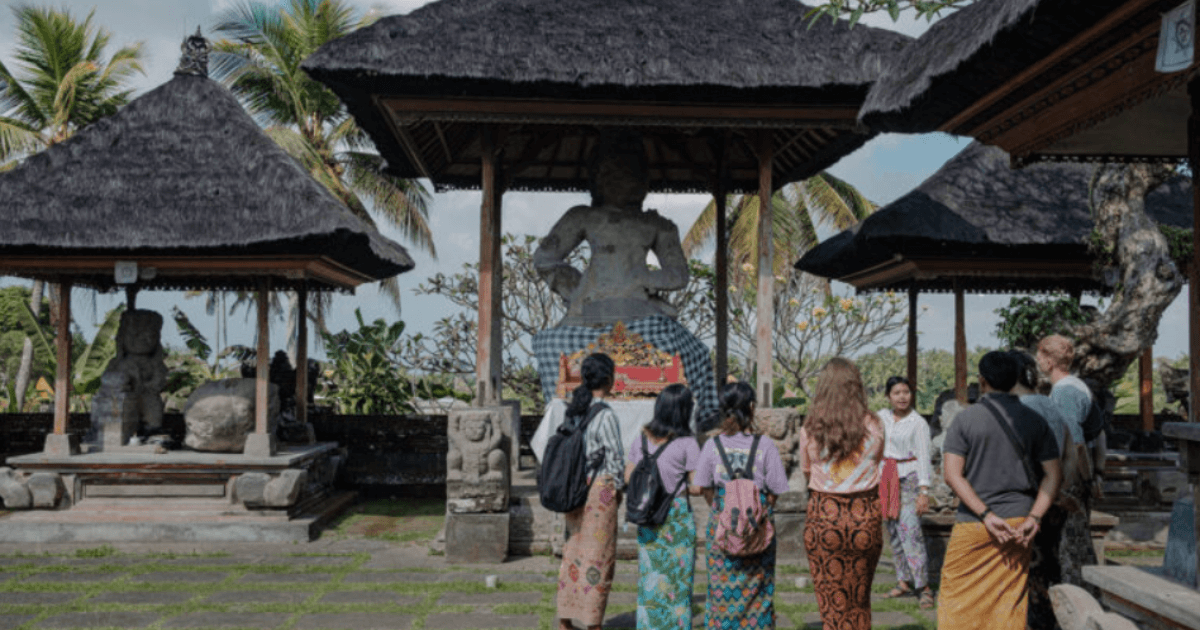
When visiting these temples, it’s essential to dress modestly. This means wearing clothing that covers your shoulders and knees.
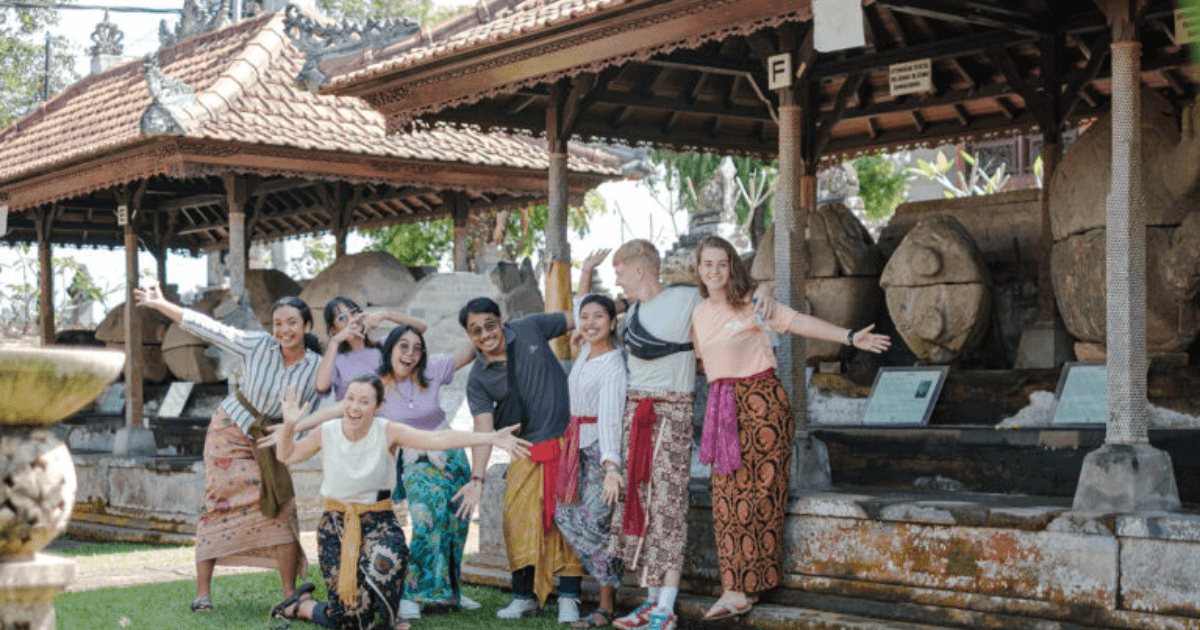
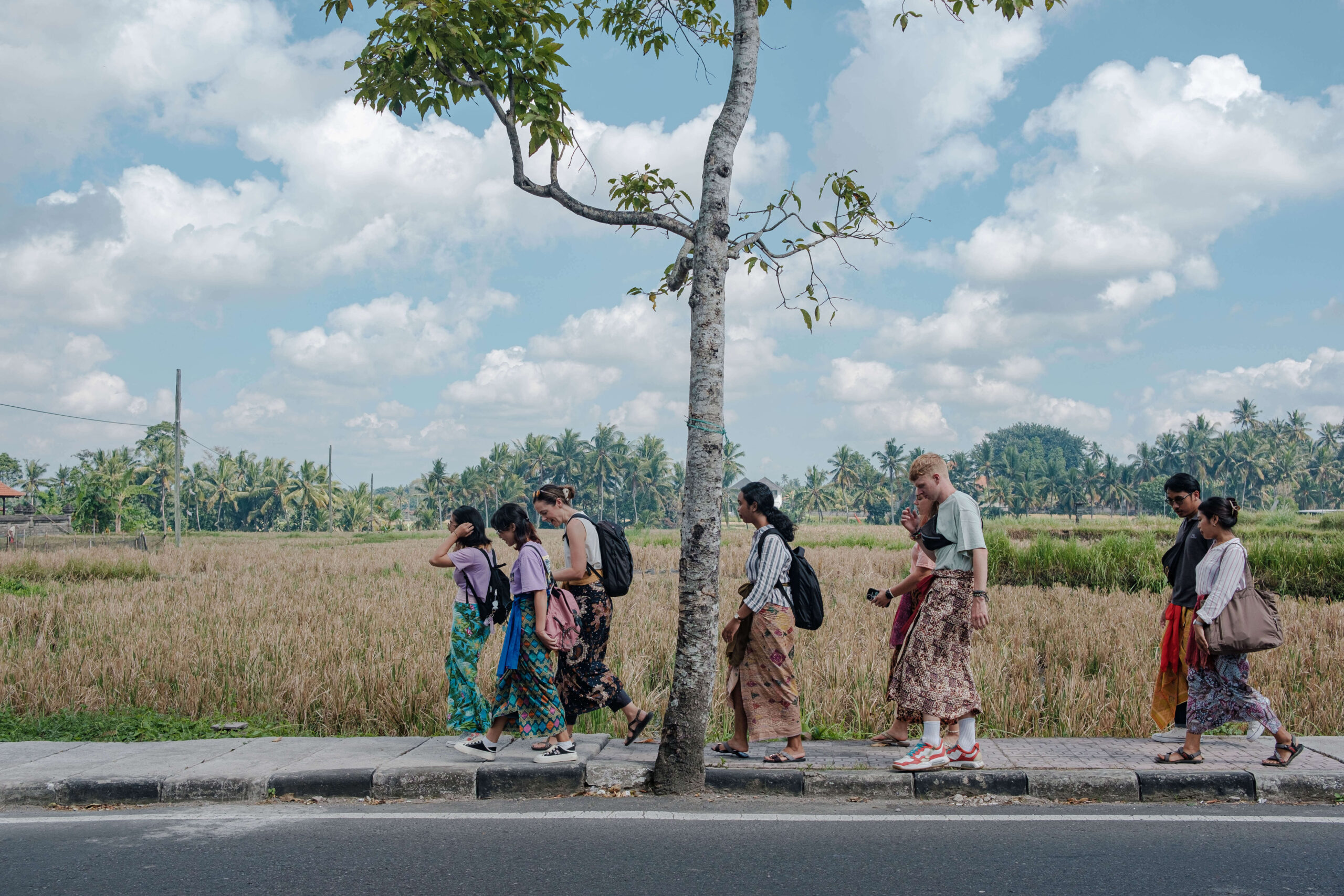
Most temples will provide a sarong and sash at the entrance if you’re not adequately dressed, but it’s always a good idea to bring your own. The sarong is wrapped around your waist, and the sash is tied around your waist on top of the sarong.

3. Support Local Businesses

One of the best ways to experience the true essence of Bali is by supporting local businesses.
Engage with local artisans and vendors as they often have fascinating stories about their crafts and traditions.
Plus, you’ll find unique items that you wouldn’t get anywhere else. Ubud, in particular, is famous for its art and crafts, so make sure to explore and take home a piece of Bali’s artistic heritage.

4. Bargain at markets

Bargaining is a common practice in Bali’s markets, and it can be a fun experience if done respectfully.
When shopping at places like the Ubud Art Market, start by asking the price and then make a counteroffer.
Make sure to keep it light-hearted and friendly. However, avoid haggling over tiny amounts, as a few extra cents might not mean much to you, but it could make a significant difference to the vendor.

5. Learn a few basic Indonesian phrases

Learning a few basic phrases in Indonesian can go a long way in enhancing your Bali experience.
Simple greetings like “Selamat pagi” (good morning), “Terima kasih” (thank you), and “Tolong” (please) are always appreciated.
Even if your pronunciation isn’t perfect, the gesture shows respect and can open doors to better connections with the people you meet.

Don’ts in Bali

1. Beware of tourist traps

Like any popular tourist destination, Bali has its share of tourist traps. Be cautious of overpriced tours, dubious souvenir shops, and restaurants that might charge you more than the locals.
Do some research before booking activities or dining out. Look for reviews and recommendations from trusted sources.
Often, the best experiences come from smaller, locally-owned businesses that might not have flashy advertisements but offer genuine, high-quality services.

2. Don’t litter

Bali is known for its natural beauty, and keeping it pristine is everyone’s responsibility.
Unfortunately, littering is a problem in some areas due to the influx of tourists. Make sure to dispose of your trash properly and recycle whenever possible.
Carry a small bag for your waste if you can’t find a bin immediately. By keeping the environment clean, you’re helping preserve the island’s beauty for future generations of travelers and locals alike.

3. Don't drink tap water

One of the essential things to remember in Bali as a tourist is to avoid drinking tap water. The water quality can vary, and it’s safer to stick to bottled or filtered water.
Most hotels and restaurants provide bottled water for guests, and you can easily find it in shops around the island.
Also, be mindful of ice in your drinks and raw foods that might have been washed in tap water. Stick to reputable places where the hygiene standards are known to be high.

4. Don't disrespect sacred places

Bali’s temples and sacred sites should always be respected when visiting. Avoid loud talking, taking inappropriate photos, or climbing on religious structures.
Additionally, some areas might be restricted to worshippers only. Pay attention to signs and guidelines, and if you’re unsure, ask a local or a guide.
Showing respect for these sacred places reflects well on you as a considerate visitor.

How to Get the Most Out of Your Bali Trip?

To truly get the most out of your trip to Bali, do this:

1. Slow Down and Immerse Yourself:

Avoid rushing from one tourist spot to another. Take the time to soak in the local atmosphere.

2. Engage with the Local Community:

Participate in traditional ceremonies, if you’re invited. Balinese people are known for their hospitality, and engaging with them can provide a deeper understanding of their culture.

3. Join a Guided Tour:

A guided tour with providers such as Ubud Story Walks can truly enhance your experience by providing historical and cultural insights you might miss on your own.

Wrapping Up

By following these dos and don’t, you can ensure a respectful and enjoyable experience in Bali.
Remember, the key to a great trip to Bali is not just in seeing the sights but in connecting with the people and understanding their way of life.

FAQ's

The best time to visit Bali is during the dry season, from April to October. The weather is pleasant, and it’s ideal for outdoor activities.
Yes, Bali is generally safe for solo travelers. However, like any travel destination, it’s important to stay aware of your surroundings and take standard precautions.
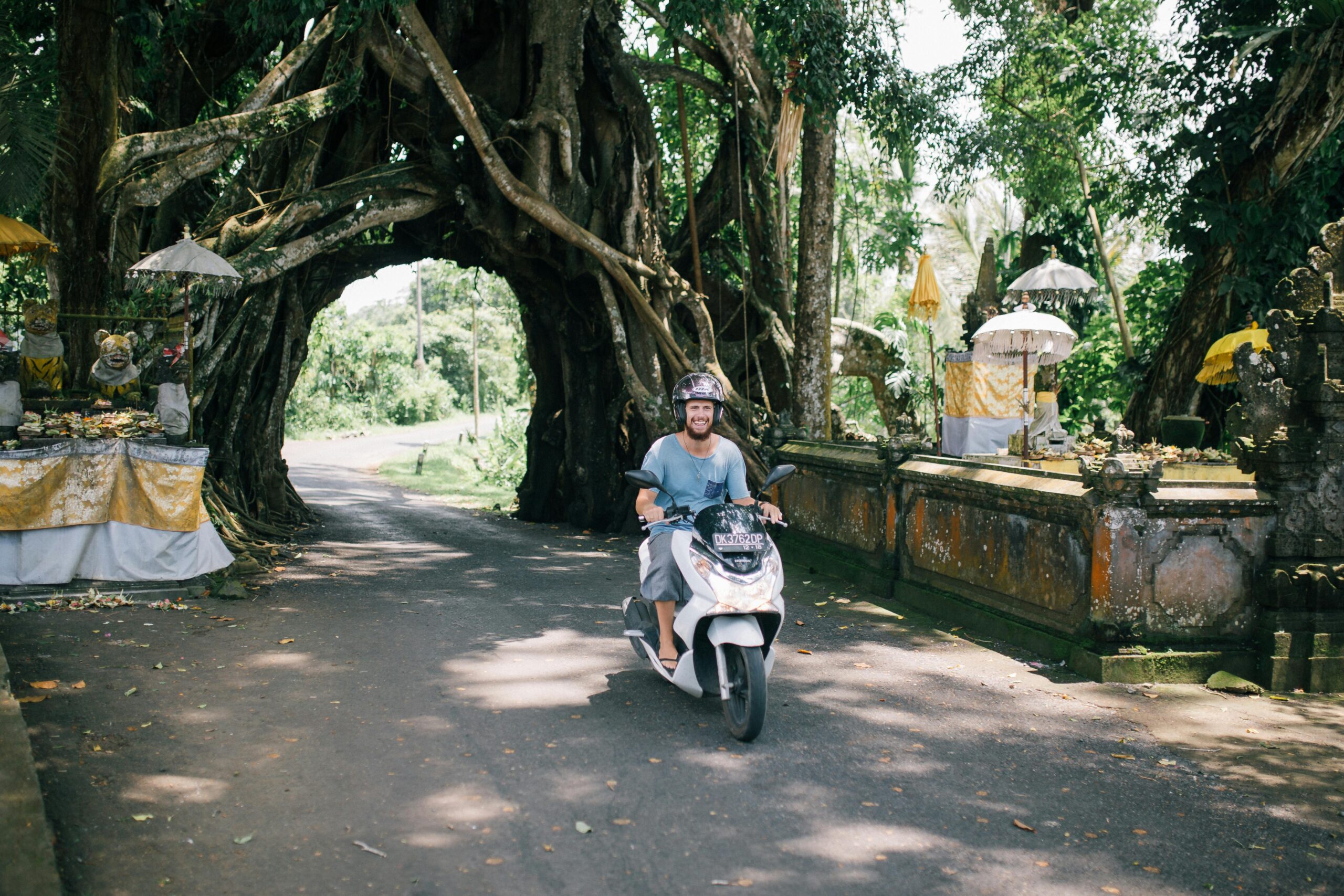
There are various ways to get around in Bali, including taxis, scooters, and private drivers. Renting a scooter is a popular option, but make sure you have an international driving permit and wear a helmet.
Pack light, breathable clothing, swimwear, a hat, sunscreen, and insect repellent. Don’t forget modest clothing for temple visits and comfortable shoes for walking.
Visa requirements depend on your nationality. Many countries are eligible for a visa-free entry for short stays. Check the latest visa regulations before you travel.
Kelly Williams
Kelly Williams

related blogs

Best Street Food in Bali and Ubud
13Jan

Best Street Food in Bali…

From savory Nasi Goreng to sweet Klepon, discover the vibrant world of Indonesian street food…

Art in Indonesia: Heritage, Creativity, and Modern Applications 
09Jan

Art in Indonesia: Heritage, Creativity,…

Indonesia Travel Bucket List is a must-have for travelers seeking adventure,

Ubud Centre – What You Need to Know Before Going
31Dec

Ubud Centre – What You…

Indonesia Travel Bucket List is a must-have for travelers seeking adventure,

Read what people say about Ubud Story Walks...

ERROR
CSS file could not saved.